
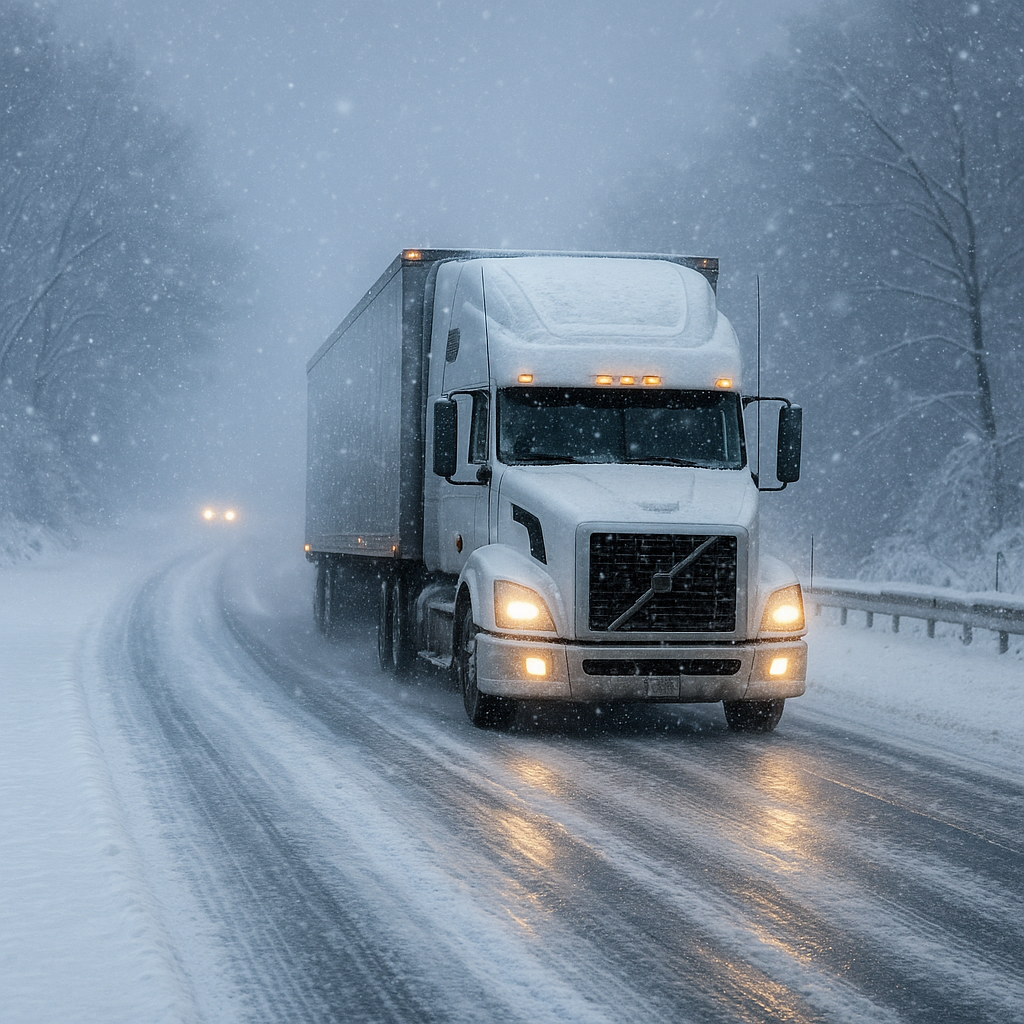
The efficient operation of logistics relies on two key parameters — truck driver availability and seasonal scheduling. Yet, the unexpected effect of weather often muddles these aspects, making the well-planned routes transform into logistical hurdles. From snow-covered highways of the winter solstice to flash floods during summer, each segment has its own challenges to disrupt schedules, deplete resources, and affect overall safety. In this article, we will discuss how weather impact and seasonal shifts affect driver availability, suggest some scheduling swing strategies and present the technologic tools employed by logistics experts, Trucking Talent included, to outsmart nature.
The Basis of the Weather–Logistics Relationship
Even in the transportation industry, slight changes in the weather might create a domino effect of serious delays. Precipitation can decrease the visibility of highways by 50 percent, while winter and ice expand the distance that needs to be stopped by more than 100 percent. Fog, high winds, and extreme temperatures are the additional collision risks that bring damage to equipment, frustrate the driver, and ect. Therefore, logistics managers should incorporate weather considerations into every area of transportation planning—especially when linking truck driver availability with delivery timelines.
Weather Features over Time and Their Manifestation
Winter: Ice, Snow, and Driver Shortages
Conditions: Snowstorms, freezing rain, black ice.
- Impact on Transport: Many drivers back off driving unintended routes due to harsh winter weather and lead to decreased capacity. Road closures and chain laws further restrict the possibility of who can work.
- Scheduling Consequences: Longer transit times; mandatory brew breaks for de-icing and increase in detention risk at weather impacted unloading docks.
- Spring: Rain, Floods, and Torn-up Roads
Conditions: Heavy rainfall with localized flooding, potholes appearing from winter freeze-thaw cycles.
- Effect on Availability: Flooded roadways could make whole links impassable. Some carriers, as a preemptive measure, remove drivers from routes prone to washout.
- Adjustments in Scheduling: Flexibility becomes key. Remain put buffer days´ in the schedules and use alternate paths, which you can plan in advance in case of unexpected detours.
- Summer: Hurricane season, heat waves, and more storms
Conditions: High temperatures, thunderstorms, storms near the coast.
- Availability Impact: Additional heat makes the vehicles receive more of breakdowns (for example: tire blowouts, overheating engines). Storm warnings made for ground drivers in vulnerable regions.
- Scheduling Implications: Running in early hours or during the night may be preferable to avoid the peak of the heat. Routes in the monsoon-like rain should avoid the areas away from the flood.
- Fall: Mist, Leaves, and Early Winter Signals
Conditions: Dense morning fog, road wet leaf cover, and early frost in northern areas.
- Impact on Availability: Hazardous visibility reduces speed; slippery roads lead to increased crash probability that causes some drivers to ask for extra help or haul fewer loads.
- Scheduling Implications: Make departure times longer for slow driving transit and think of staggered loading, which helps drivers not to idyl in low-visibility.
Seasonal Challenges and Scheduling Strategies
| Season | Typical Conditions | Impact on Availability | Scheduling Strategy |
| Winter | Snow, ice, freezing precipitation | Reduced driver acceptance, road closures | Build extra transit time; use drivers with winter endorsements; pre-clear routes |
| Spring | Heavy rain, floods, potholes | Impassable routes, higher maintenance needs | Implement dynamic routing; schedule lighter loads; monitor weather alerts |
| Summer | Heat waves, thunderstorms, hurricanes | Heat-related breakdowns; storm cancellations | Run off-peak temperature hours; diversify route options; have emergency kits |
| Fall | Fog, wet leaves, early frost | Slower speeds; higher accident risk | Stagger departures; equip trucks with fog lighting; plan for de-icing |
By the above table, it becomes obvious that each season uniquely affects driver availability and suggests balanced scheduling changes to achieve safety with efficiency.

Safety and Regulatory Considerations
Delays caused by weather not only can impact the delivery times but also may create situations of regulatory compliance. The Federal Motor Carrier Safety Administration (FMCSA) exempts the violation of road laws during emergencies regarding weather. They also temporarily suspend the drivers’ hours of service (HOS) in order to support the rescue from the bad weather. However, except for the above-mentioned waivers, the drivers and carriers must be strictly in compliance with the HOS rules, the inspection requirements, and the cargo securement standards regardless of adverse conditions. Balancing compliance and flexibility proposes proactive communication between dispatchers and drivers which is an utmost need to ensure both safety and regulatory alignment.
Tools for Application in Predictive Planning
Logistics today depends on a set of tools that are designed to both stay ahead of and react to climate conditions:
- Real-Time Weather APIs: Integrations with platforms like NOAA or commercial providers plug live data into TMS.
- Predictive Analytics: The machine-learning model process historical record of the weather and analyze the route output to create forecasts of disruptions.
- Dynamic Routing Software: Systems of automatic re-routing that suggest the shortest route around bad weather are in use.
The Trucking Talent and other companies are increasingly adopting these technologies, therefore, integrating the experience of professionals with the data-driven insights they provide to enhance driver availability and consequently punctual deliveries. You can explore more about their hiring approach on their site.
Redesigning the Schedule
To cope with the changing seasonal patters, logistics teams ought to:
- Implement Flexible Rostering
- Offer voluntary sign-ups for adverse-weather shifts with premium pay.
- Maintain a roster of “weather-ready” drivers trained in winter or storm response.
- Offer voluntary sign-ups for adverse-weather shifts with premium pay.
- Use Tiered Load Plans
- Prioritize critical shipments for the most reliable windows.
- Defer low-priority deliveries when forecasts predict severe conditions.
- Prioritize critical shipments for the most reliable windows.
- Incorporate Buffer Windows
- Build extra time into narrow delivery slots.
- Communicate proactively with shippers and receivers about possible delays.
- Build extra time into narrow delivery slots.
- Train for Seasonal Hazards
- Conduct regular safety briefings on ice driving, floodway navigation, and extreme heat protocols.
- Equip trucks with season-specific gear (tire chains, defrosters, heatstroke kits).
- Conduct regular safety briefings on ice driving, floodway navigation, and extreme heat protocols.
The Role of Driver Support and Communication
No matter how high-tech the system is, it cannot substitute human clear communication. Dispatchers should make sure of:
- Daily Weather Briefings: Short, actionable summaries of expected conditions.
- 24/7 Driver Hotlines: Direct lines for on-the-ground updates and emergency support.
- Peer Networks: Encourage drivers to share real-time road reports via mobile apps or CB radio.
When drivers feel they are backed up — and feel that their security is the number one concern — the probability of them agreeing to difficult tasks is greatly rising. Hence, contributing to the overall truck driver availability on the road even when the weather is not favorable.
Winter Storms Case Study: Crisis Management
This year during the winter season, in the northeastern states of the US, one of the Sled regional carriers experienced a 60% fall in the availability of the drivers during the January storm. Dozens of snow-locked routes stalled by the condemnation of roads. Using a combination of:
– Pre-positioned Snowshoe
– Dynamic Dispatching via Mobile TMS
– On-Call Standby Drivers Across Adjacent States
the carrier succeeded in making 85% of the priority deliveries thus proposing that planning and technology are ways to make the negative consequences of weather to a minimum.
Closing
Weather, seasons, and truck driver availability are three classifications that are subject to the pressure of transportation sector. To think about the positive outcome of the scenario one needs to find a blend of the above-mentioned seasonal scheduling best practices, real-time data-integration, and a serious commitment to driver safety. By knowing the particular hazards of each season, providing drivers with specific machinery and training, and constructing flexible schedules that include delays, the logistics teams will be capable of keeping up the proper flow of goods. After all, Mother Nature is to say the conditions, but it is the right combination of planning and implementation that the deliveries are always on time.